



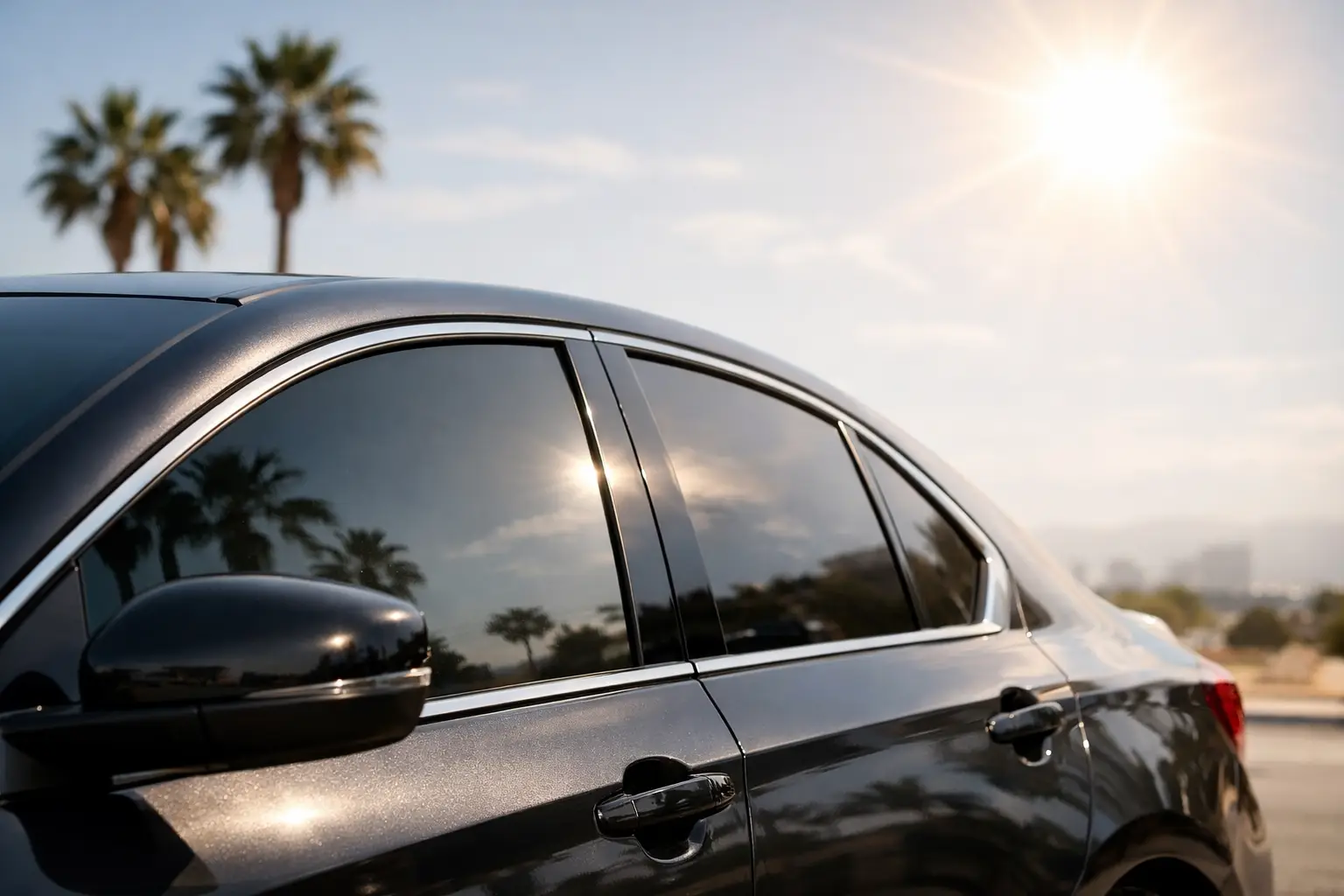
When your car feels like an oven after 20 minutes in a parking lot, or a west-facing room turns uncomfortable by midafternoon, the search for the best tint for hot climates gets very practical very fast. In places like San Diego, tint is not just about appearance. It is about cutting heat, protecting interiors, reducing glare, and making your vehicle, home, or business easier to live and work in.
The short answer is this: ceramic window film is usually the best overall choice for hot climates. But that does not mean it is the right answer for every window, every budget, or every application. The best result comes from matching the film to the way the space is used, the amount of direct sun it gets, and how much performance you actually need.
What makes the best tint for hot climates?
In hot, sunny regions, the goal is not simply making glass darker. Darkness and heat rejection are related, but they are not the same thing. A very dark, low-end film may reduce visible light without doing nearly as much as a higher-performance film when it comes to blocking solar heat.
That is why the best tint for hot climates is usually judged by a few core performance factors. Heat rejection matters most because it directly affects comfort and cooling load. UV protection is close behind because long hours of sun exposure can fade upholstery, flooring, dashboards, and merchandise. Glare reduction also plays a big role, especially for drivers, office workers, and anyone dealing with strong afternoon sun.
Then there is durability. In high-heat environments, low-quality film tends to show its weaknesses sooner. Bubbling, discoloration, adhesive failure, and purple fading are all signs that the film was not built for long-term performance.
Why ceramic tint leads in hot weather
Ceramic film has become the top recommendation for a reason. It offers strong heat rejection without relying only on a very dark shade, which gives you more flexibility whether you are tinting a windshield strip, side windows, storefront glass, or large residential windows.
A quality ceramic film blocks a significant amount of infrared heat, helps reduce interior temperatures, and filters harmful UV rays that damage surfaces over time. For drivers, that often means a cooler cabin, less strain on the AC system, and improved comfort on daily commutes. For homes and businesses, it can mean more stable indoor temperatures and lower pressure on HVAC equipment during long hot spells.
Ceramic also has another advantage that matters to many customers. Unlike some metalized films, it does not interfere with electronics the same way. If you rely on cell reception, GPS, radio signals, or electronic toll systems, that can make a difference.
The trade-off is cost. Ceramic film typically costs more upfront than dyed or basic carbon options. But in a hot climate, many property owners and vehicle owners find that the added comfort and longer service life justify the investment.
Carbon vs ceramic vs dyed film
If you are comparing film types, it helps to think in terms of value, not just price.
Dyed film is usually the entry-level option. It can improve appearance, cut some glare, and provide basic privacy. In cooler regions or for buyers focused mainly on aesthetics, it can make sense. In very hot climates, though, it usually falls short on heat rejection compared to better films. It may also have a shorter lifespan, especially if it is a lower-grade product.
Carbon film sits in the middle. It generally performs better than dyed film, offers a more refined appearance, and resists fading better. For some vehicles or side and rear windows where the budget matters, carbon can be a reasonable balance between cost and performance.
Ceramic film is the premium choice. It delivers the strongest overall heat rejection, excellent UV protection, and long-term stability. If your main concern is beating the heat rather than just changing the look of the glass, ceramic is often the smartest option.
The shade you choose is only part of the story
A lot of customers assume darker is always better. It is understandable, but it is not always true.
Modern premium films can reject a high amount of heat even in lighter shades. That matters for homeowners who want to keep natural light, for businesses that want a clean professional appearance, and for drivers who want comfort without an overly dark look. A lighter ceramic film can often outperform a darker low-grade film where it counts most.
This is where professional guidance matters. The right shade depends on the application, local regulations for automotive glass, and the balance you want between visibility, privacy, and heat reduction.
Best tint choices by application
The best film for a car is not always the same as the best film for a living room, office, boat, or RV.
Automotive tint in hot climates
For vehicles, ceramic film is usually the top choice because cabins heat up quickly and drivers feel the difference right away. Good automotive film helps reduce dashboard heat, seat temperature, and glare while protecting interior materials from UV damage. If you spend a lot of time parked outdoors or commuting in heavy sun, this is where premium film pays off.
Residential window tint
For homes, the best answer depends on window orientation and how the room is used. South- and west-facing windows usually need the highest heat control. Living rooms, bedrooms, and sunrooms benefit from films that reduce heat and glare without making the house feel dark. A well-selected residential film can also help preserve flooring, furniture, and window treatments.
Commercial flat glass tint
In offices, storefronts, and commercial spaces, comfort and energy efficiency usually drive the decision. Employees work better with less glare on screens, customers stay more comfortable near windows, and owners may see reduced cooling costs over time. In many commercial settings, a neutral-looking high-performance film is the best fit because it improves comfort without changing the building’s appearance too aggressively.
Marine and RV tint
Boats and RVs deal with extreme sun exposure and heavy reflective glare. That environment can be demanding, so film quality matters even more. Heat control, UV rejection, and durability should all be priorities, especially when interiors are exposed for long stretches.
What to watch out for when shopping
The biggest mistake is choosing film based on price alone. Cheap tint may look fine at first, but poor heat rejection and early failure can turn that savings into a short-term fix.
Another common issue is focusing only on visible light transmission, or how dark the film appears. Heat rejection specs, UV blocking performance, and product quality tell a more complete story.
Installation quality matters just as much as the film itself. Even premium products can underperform if they are not installed correctly. Clean edges, proper fit, and a professional application process all affect long-term results. That is one reason many San Diego property owners and drivers prefer working with an experienced licensed installer rather than treating tint like a commodity.
So what is the best tint for hot climates?
If you want the most reliable answer, it is ceramic film installed by a qualified professional. It offers the strongest combination of heat rejection, UV protection, glare reduction, and durability for demanding sunny conditions.
That said, there are cases where carbon film is the right call. If you want better performance than dyed film but need to keep the budget tighter, carbon can be a practical middle ground. Dyed film still has a place for lower-cost appearance upgrades, but it is usually not the first recommendation when heat is the main problem.
For customers comparing options in Southern California, the smartest move is not asking for the darkest film. It is asking which product will perform best on your specific glass, in your specific sun exposure, with your specific goals. That approach leads to better comfort, longer-lasting results, and fewer regrets.
With more than 20 years of experience serving mobile tinting needs across the region, Simmons Solar Control sees this every day. The right film can make a noticeable difference in how a car drives, how a home feels in the afternoon, or how a commercial space handles long hours of sun.
If your windows are letting in too much heat, the right tint should solve a real problem, not just change the look of the glass. Start with performance, choose quality film, and make sure the installation is done right the first time.