



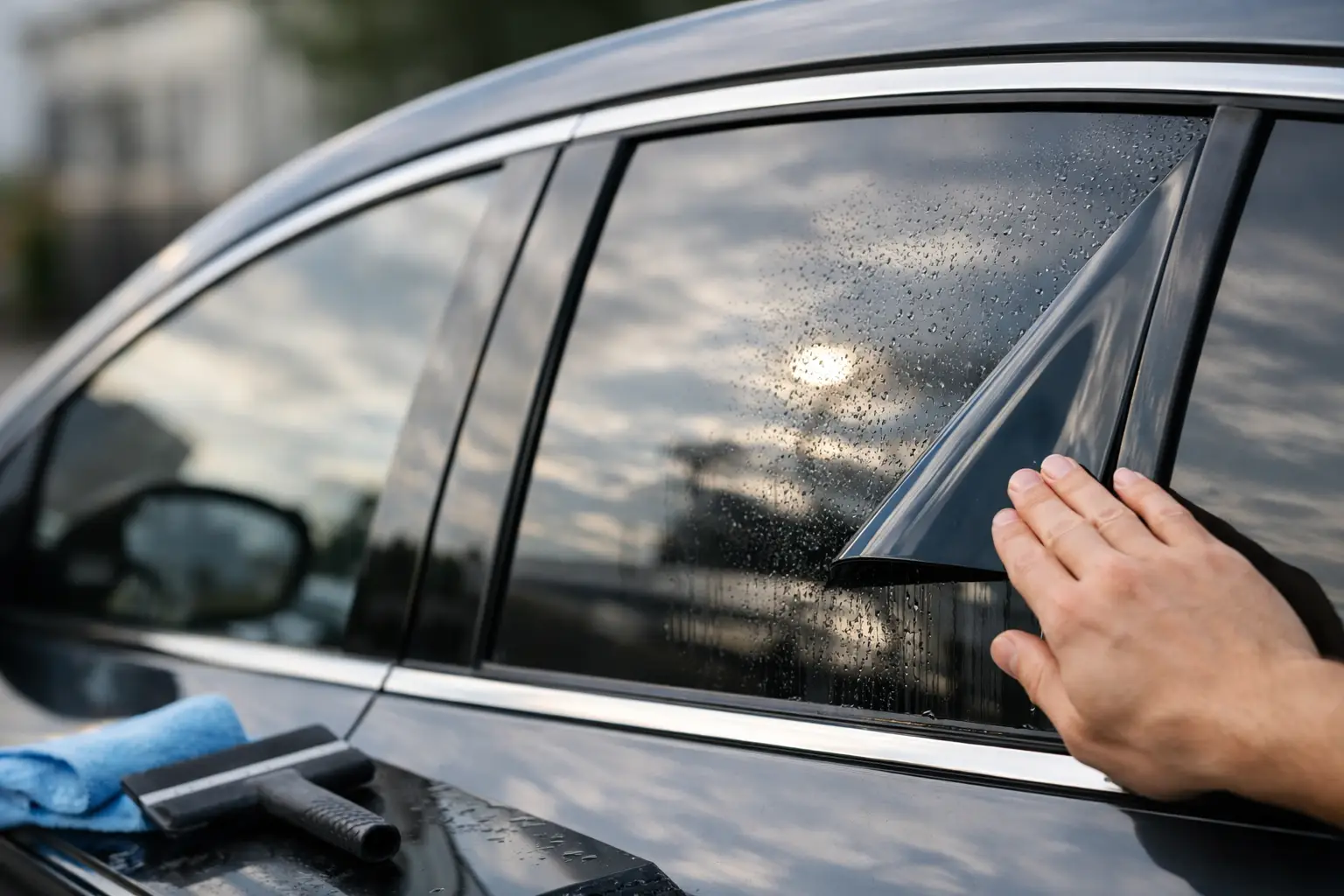
If you just had window film installed and the glass looks a little hazy, streaky, or dotted with small water pockets, that usually does not mean anything went wrong. One of the most common questions after installation is how long does tint cure, and the honest answer is that it depends on the film, the glass, and the weather.
In San Diego, that timeline can be shorter than in cooler or wetter climates, but curing still is not instant. Whether the film is on a car, home, office, RV, or boat, it needs time for the mounting solution to evaporate and for the adhesive to fully bond to the glass. Until that process finishes, a freshly tinted window can look different than the final result.
How long does tint cure in real-world conditions?
Most window tint starts to dry within a few days, but full curing often takes 1 to 4 weeks. Automotive tint commonly cures in about 3 to 7 days during warm, dry weather, while some installations can take up to 2 to 4 weeks if temperatures are lower or humidity is higher. Flat glass film for homes and commercial buildings often takes longer than car tint because larger panes hold more moisture under the film.
That range matters because customers often expect a next-day finished look. In reality, professional installation includes a curing period. The film may be installed correctly on day one and still need additional time before the last signs of moisture disappear.
Marine and RV applications can vary as well. Large windows, thicker glass, and changing outdoor conditions can slow the process. If the vehicle or vessel sits in direct sun, curing may move faster. If it stays covered, parked indoors, or in overcast conditions, it may take longer.
Why curing time is not the same as installation time
Installation is the application of the film to the glass. Curing is what happens afterward, when trapped moisture works its way out and the adhesive settles into place. Those are two different stages.
A professional installer uses a slip solution during application so the film can be positioned accurately. Even with careful squeegeeing, a small amount of moisture remains between the film and the glass at first. That moisture has to evaporate before the film reaches its final clarity and bond strength.
This is why fresh tint can appear cloudy or have a slightly uneven look right after installation. It is part of the normal drying process, not necessarily a defect.
What affects how long tint takes to cure?
Temperature is one of the biggest factors. Warm weather helps moisture evaporate faster, which speeds up curing. That is one reason Southern California conditions can be favorable for tinting. On the other hand, cold weather slows the process and can extend cure times significantly.
Humidity also matters. The more moisture in the air, the harder it is for trapped installation solution to evaporate. A humid morning, coastal marine layer, or rainy stretch can add time even when the film was installed properly.
Sun exposure can help, but there is a balance. Moderate warmth on the glass usually supports curing. Consistent shade, underground parking, or indoor storage can slow it down. At the same time, extreme heat on certain surfaces may require a more careful approach during and after installation.
The type of film makes a difference too. Automotive film, residential solar film, decorative film, and safety/security film do not all behave exactly the same. Some films are thicker, some cover larger panes, and some are installed on glass that retains moisture longer. Larger windows often mean longer cure times because there is simply more area where moisture needs to escape.
What is normal during the curing process?
A few visual changes are common while tint cures. The most common are a slightly cloudy appearance, tiny water bubbles, or a hazy look in parts of the glass. These are usually signs that moisture is still evaporating.
Small water pockets often shrink over time. Mild distortion can also happen temporarily, especially when you view the glass at an angle or in strong sunlight. As the film settles, the appearance typically becomes more uniform.
What you should not expect is immediate perfection on every pane the same day the work is completed. Freshly installed film often needs time before it reaches the clean, finished look customers want.
If you see large dry bubbles, peeling edges, debris trapped under the film, or issues that do not improve after the expected cure window, that is different. Those may need inspection. The key is to separate normal drying signs from installation problems.
How long before you can roll down tinted windows?
For automotive tint, the standard rule is simple: keep the windows up for at least 3 to 5 days unless your installer gives you a different timeline. Rolling them down too soon can shift the film before the adhesive has bonded properly near the edges.
That waiting period is one of the easiest ways to protect the installation. Even if the tint looks dry, the edges may still be vulnerable. A power window dropping and rising several times can lift a corner or create edge damage that would have been avoided with a little patience.
For vehicles with frameless windows or heavy window use, your installer may suggest a longer wait. It is better to follow the project-specific recommendation than assume all tint behaves the same.
How to help tint cure properly
The best thing you can do is leave it alone. Do not press on bubbles, peel at edges, or try to smooth out haze with your hands. Fresh film needs time, not extra handling.
Avoid cleaning the inside of newly tinted glass until the cure period has passed. Cleaning too early can disturb the film, especially around edges. When it is time to clean, use a tint-safe cleaner and a soft cloth rather than anything abrasive or ammonia-based.
If possible, let the windows get normal daylight and warmth. You do not need to bake the vehicle or building in extreme heat, but routine sun exposure can help move the process along. At the same time, be realistic. Even in a favorable climate, some moisture patterns simply need time to disappear.
Does home and commercial window film take longer to cure?
Often, yes. Residential and commercial film is frequently applied to larger panes of glass, and larger panes can hold more moisture after installation. That means the answer to how long does tint cure can be different for a storefront or living room window than for a sedan.
Flat glass installations may take several weeks to fully cure, especially if the property stays cool inside or the windows do not receive much direct sun. This is normal and does not necessarily reflect the quality of the film or the installation.
The trade-off is worth it for many property owners. Waiting a little longer for full curing still leads to long-term benefits like reduced glare, lower heat gain, better privacy, and added UV protection.
When should you be concerned?
Most post-installation changes are temporary, but there are times when a follow-up makes sense. If haze, water pockets, or visual distortion still look the same after the expected cure period, ask your installer to take a look. The same applies if you notice peeling, lifting, contamination, or film that appears to be separating from the glass.
A reputable contractor should explain what is normal, what timeline to expect, and when to reach out. That matters because customer frustration often comes from not knowing the difference between curing and failure.
With professional installation, recognized film products, and clear aftercare guidance, most tint cures exactly as it should. That is especially true when the installation is matched to the surface, climate, and use case.
The bottom line on cure time
If you are wondering how long does tint cure, plan on a few days for initial drying and up to 2 to 4 weeks for full curing, depending on the application and conditions. Cars usually cure faster than homes and commercial buildings, and warm, sunny weather usually helps.
The most practical approach is to expect some temporary haze, avoid touching or cleaning the film too soon, and give the adhesive time to do its job. Good tint is not just about how it looks on day one. It is about how it performs for years after the glass clears up.