



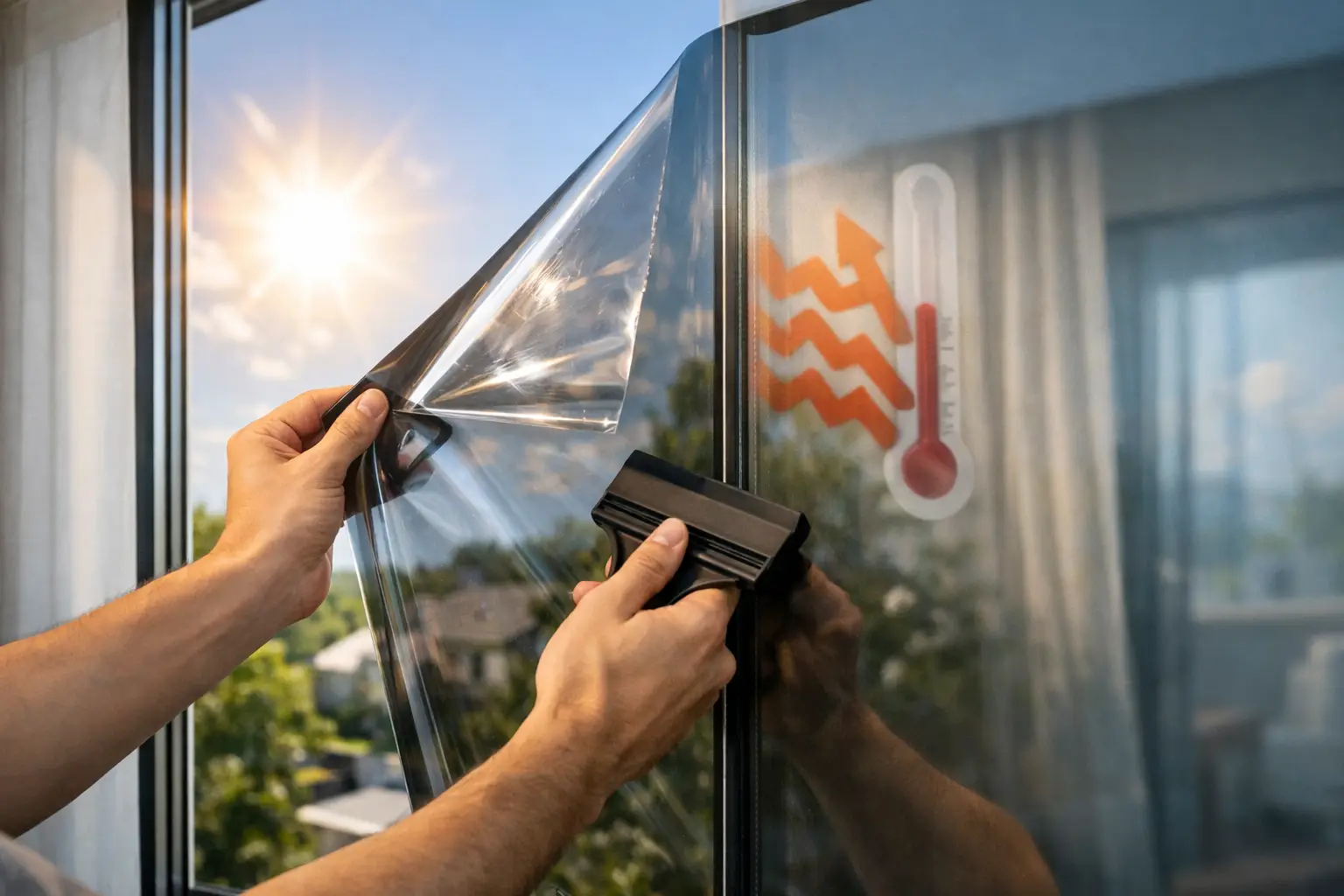
If one side of your home, office, or vehicle feels like it is parked under a magnifying glass by noon, you are already dealing with the real-world value behind heat blocking window film benefits. In San Diego, sun exposure is not occasional. It is a daily factor that affects comfort, cooling costs, interior wear, and how usable your space feels hour to hour.
Window film is one of those upgrades people often consider after they have already tried everything else. The AC is running longer, certain rooms stay hot, glare makes screens hard to see, and sun damage starts showing up on flooring, upholstery, dashboards, and furniture. A quality heat-rejecting film addresses several of those problems at once, which is why it is used across cars, homes, commercial buildings, RVs, and boats.
Why heat blocking window film benefits matter in San Diego
Southern California properties and vehicles take consistent sun exposure for most of the year. That means heat buildup is not just an afternoon annoyance. It can become an ongoing efficiency issue and a comfort issue at the same time.
For homeowners, the common complaint is uneven temperature from room to room. A front bedroom or living room with strong western exposure can feel noticeably warmer than the rest of the house. For businesses, sun-heavy storefront glass and office windows can create hot spots that make customers and staff uncomfortable. In vehicles, heat buildup is immediate and obvious, especially when a car sits outside for even a short period.
That is where window film stands out. Instead of replacing glass, adding shades everywhere, or overworking your cooling system, film improves the performance of the glass you already have.
The most practical heat blocking window film benefits
The first major benefit is reduced solar heat gain. High-performance film helps reject a significant amount of the sun’s heat before it turns your interior into a warmer, harder-to-cool space. The result is usually more noticeable than people expect, especially on windows that get direct sun for several hours a day.
The second is better comfort. This sounds simple, but it matters. A house can technically be cooled and still feel uncomfortable if certain zones stay hotter than others. A commercial lobby can have working AC and still feel bright and overheated near the glass. Film helps balance those problem areas so the space feels more usable.
Lower cooling demand is another key advantage. When less heat enters through the glass, your air conditioning system does not have to work as hard to maintain temperature. That can translate into lower energy use over time. The exact savings depend on the building, the amount of glass, window orientation, existing insulation, and the film selected, but reduced HVAC strain is one of the most consistent benefits.
Then there is glare reduction. Heat and glare are related, but they are not the same problem. Even a room that is not excessively hot can still be unpleasant if sunlight washes out a television, computer monitor, or point-of-sale screen. In homes, this affects living rooms, kitchens, and home offices. In commercial spaces, glare can interfere with workstations and customer experience. In vehicles, it can add eye strain and reduce visibility.
UV protection is another strong reason people choose film. Good window film can block a very high percentage of harmful UV rays, helping protect interiors from fading and long-term sun damage. That applies to hardwood floors, furniture, carpets, artwork, merchandise, dashboards, leather, vinyl, and marine upholstery. Heat is what you feel right away, but UV damage is what you often pay for later.
Heat blocking window film benefits for homes
Residential window film makes the most sense when certain rooms are hard to keep comfortable or when homeowners want to reduce sun exposure without shutting out natural light. That last point matters. Many people assume heat-blocking film will make their home feel dark. Some films do noticeably darken glass, but many modern options are designed to reject heat while keeping a brighter, cleaner appearance.
For a home, the biggest gain is often room-by-room livability. The upstairs bedroom that gets too hot in the afternoon becomes easier to use. The family room with large windows feels less harsh and more consistent. Floors and furniture near the glass get better protection from sun exposure.
There is also an appearance benefit. Unlike bulky blinds or permanently closed drapes, film can help manage heat while keeping a more open look. That matters for homeowners who want the view, the daylight, and the cleaner appearance of uncovered glass.
The trade-off is that film selection needs to match the glass type and the goal. A homeowner focused on preserving visibility may want a different product than someone more concerned with privacy or maximum solar rejection. Professional guidance matters here because the wrong film can underperform or create issues on certain windows.
What businesses gain from solar control film
Commercial spaces tend to feel the payoff in two areas fast – occupant comfort and operating efficiency. A building with large glass areas can look great from the outside and still be expensive to cool. Film helps reduce that load without the disruption and cost of replacing existing windows.
For offices, better comfort can support employee productivity, especially in perimeter rooms where heat and glare are strongest. For storefronts, restaurants, and customer-facing businesses, a more comfortable front area creates a better experience for visitors. For property managers, film is a practical upgrade that improves building performance without a major renovation.
Another benefit is consistency. Customers and staff notice when one area of a building feels hotter than the rest. Film helps reduce those temperature swings, especially on sun-facing elevations. Depending on the product, businesses can also improve privacy and maintain a cleaner exterior appearance.
Vehicle, RV, and marine advantages
In cars, trucks, RVs, and boats, heat blocking film is often felt immediately. Interiors stay more manageable, driving comfort improves, and harsh sunlight becomes less distracting. Anyone who has grabbed a scorching steering wheel or sat down on overheated leather already understands the value.
For automotive applications, film helps reduce cabin heat, cut glare, and protect interior materials from fading and cracking. That can make everyday commuting more comfortable and preserve resale value over time. For RVs and motorhomes, film is especially useful because large glass areas can create intense heat gain while parked or traveling.
On boats, the sun is even more punishing because of reflective glare off the water. Marine film can help control heat and brightness while protecting upholstery and interior finishes. Product choice matters in these environments because installation quality and material durability have to match the use case.
What window film can and cannot do
Good film makes a real difference, but it is not magic. If your insulation is poor, your HVAC system is undersized, or your windows are severely outdated, film is not a complete fix for every comfort issue. It is best viewed as a high-value upgrade that improves glass performance, often dramatically, without the cost of full replacement.
Results also depend on the film type. Dyed films, metalized films, ceramic films, and specialty architectural products perform differently. Some prioritize heat rejection. Others balance heat control with visibility, signal friendliness, or appearance. Darker is not always better, and the best film for a vehicle may not be the best film for a home or office.
This is why a professional assessment matters. The right product depends on your glass, your sun exposure, your privacy goals, and your budget. A south-facing office with floor-to-ceiling glass needs a different solution than a family SUV or a street-facing living room.
Choosing installation that lasts
Window film performance depends on both the product and the installation. Even premium film can fall short if it is applied poorly or if the wrong product is installed on the wrong surface. Clean edges, proper curing, correct film-to-glass compatibility, and warranty-backed workmanship all matter.
That is where experience makes a difference. A licensed installer with a track record in residential, commercial, automotive, marine, and RV applications can recommend the right film instead of a one-size-fits-all option. For San Diego property owners and drivers, that means getting a solution built around real sun exposure, not a generic sales pitch.
Simmons Solar Control works with customers who want practical results – cooler interiors, less glare, better protection, and film that performs the way it should after installation, not just on day one.
If your space is too bright, too hot, or too expensive to cool, window film is one of the more straightforward upgrades you can make. The right film will not just improve how the glass looks. It will improve how the space feels every day you use it.