



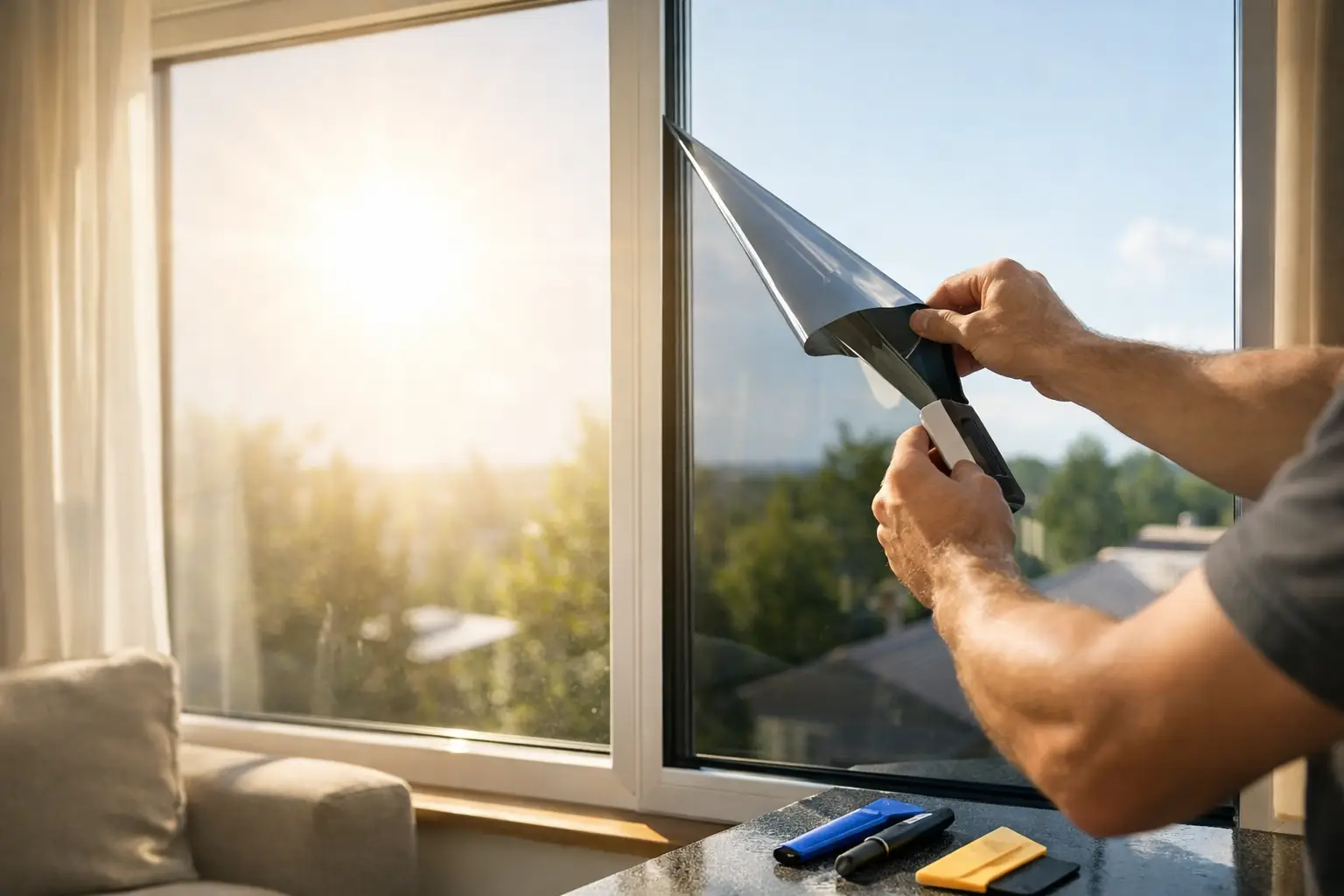
That late-afternoon sun can turn a normal drive into a squinting contest, wash out a living room TV, or make an office workstation hard to use for hours at a time. Sun glare reduction window film is designed to fix that problem without blocking your view or forcing you to keep blinds closed all day. For San Diego property owners and drivers, that matters because glare is not just annoying – it affects comfort, visibility, eye strain, and how usable a space feels.
What sun glare reduction window film actually does
Glare happens when visible light enters through untreated glass at an intensity that overwhelms your eyes or reflects off surfaces like dashboards, screens, polished floors, and countertops. Window film reduces that harsh brightness by filtering a portion of incoming light before it spreads through the glass.
The result is usually immediate. In a vehicle, it can make the road easier to see and reduce that sharp reflection bouncing off the hood or dashboard. In a home, it can make a bright room more livable during peak sun hours. In a commercial setting, it often improves screen visibility, reduces eye fatigue, and creates a more comfortable environment for employees and customers.
This is where many people confuse glare control with simply making windows darker. Darkness alone is not the full story. The right film balances visible light transmission, heat rejection, and UV protection based on how the glass is used and which direction it faces.
Why glare is a bigger problem in San Diego
In Southern California, sun exposure is not a seasonal issue. It is a year-round condition that affects cars parked outside, west-facing homes, storefront glass, office buildings, boats, and RVs. The same sunlight that brightens a space can also overheat it, fade interiors, and create severe visual discomfort.
That is why glare control often goes hand in hand with other performance benefits. A good film can reduce harsh light while also lowering solar heat gain and blocking UV rays that damage upholstery, flooring, wood trim, artwork, and merchandise. For many customers, glare is the problem they notice first, but it is rarely the only one the film solves.
Where sun glare reduction window film works best
In vehicles
Automotive glass gets constant exposure, especially in San Diego traffic and open parking lots. Drivers often notice glare from the windshield angle, side windows, and reflective interior surfaces. Film on the side and rear glass can significantly improve visual comfort and help the cabin stay cooler.
There is a practical trade-off, though. The darkest legal tint is not always the best answer. If visibility at night is a concern, especially for commuters or drivers on less-lit roads, the film choice needs to account for both daytime glare and nighttime clarity. A professional installer helps match the film to California regulations and real driving conditions.
In homes
Residential glare usually shows up in the rooms you want to enjoy most – living rooms, kitchens, home offices, and bedrooms with strong direct sun. You may notice it when sunlight hits a television screen, makes it hard to work on a laptop, or forces you to close shades in the middle of the day.
Film lets you keep natural light while softening the intensity. That means you can preserve views and brightness without the constant need for blinds or curtains. The exact product depends on the goal. Some homeowners want a light, nearly invisible look. Others prefer stronger solar control for problem windows that get hit hard in the afternoon.
In commercial buildings
For offices, storefronts, and other commercial properties, glare is more than a comfort issue. It can affect productivity, customer experience, and energy use. Employees working near untreated windows often deal with hot spots, screen glare, and uneven indoor temperatures. Customers near front glass may feel the same discomfort.
Commercial film can help create a more consistent environment across the space. It can also improve exterior appearance by giving glass a cleaner, more uniform look. In many buildings, that combination of comfort and appearance makes film a practical upgrade with visible day-to-day value.
How to choose the right sun glare reduction window film
The best film depends on the glass, the use of the space, and how aggressive the sun exposure is. There is no single product that fits every car, home, office, boat, or RV.
The first factor is glare severity. If the issue is mild screen washout in one room, a lighter film may be enough. If a west-facing wall of glass becomes almost unusable in the afternoon, stronger solar film is often the better fit.
The second factor is appearance. Some customers want the highest possible performance and are comfortable with a darker or more reflective look. Others want the glass to remain as natural-looking as possible. Both options exist, but there is usually a trade-off between maximum glare reduction and a barely noticeable finish.
The third factor is heat. If glare is paired with rooms that run hot or vehicles that struggle against solar load, it makes sense to prioritize film that reduces both visible light and heat. That can improve comfort faster than solving glare alone.
The fourth factor is installation quality. Even a premium film can underperform if it is applied poorly, cut incorrectly, or installed on the wrong type of glass. That is one reason professional installation matters, especially for larger residential and commercial projects where glass type and sun exposure can vary from elevation to elevation.
What to expect from professional installation
A good installer starts by identifying the real problem, not just selling the darkest film available. That means asking where the glare occurs, what time of day it is worst, how the room or vehicle is used, and whether heat, fading, privacy, or appearance are also priorities.
From there, the recommendation should match the application. Automotive, residential, commercial, marine, and RV glass all behave differently. Film selection should account for performance goals, legal considerations where applicable, and the long-term durability of the product.
Professional installation also gives you cleaner edges, fewer imperfections, and a finish that looks intentional rather than aftermarket. For customers investing in recognized film brands and warranty-backed work, the installation itself is a major part of the value.
Common misconceptions about glare-reducing film
One of the biggest misconceptions is that window film will make interiors too dark. In reality, many modern films are engineered to reduce glare and heat while still allowing in a comfortable amount of natural light. The space often feels better balanced, not shut off.
Another misconception is that film is mainly cosmetic. Appearance can improve, but the main reason most customers install film is performance. Better comfort, less eye strain, reduced fading, and a more usable space are practical benefits that show up right away.
It is also common for people to assume glare can only be solved with blinds or shades. Those products can help, but they also block views and daylight. Film works differently because it addresses the sunlight at the glass itself, which means you can often keep the room bright without the harshness.
When window film is worth it
If glare affects how you use your vehicle or property on a regular basis, window film is usually worth a serious look. The value becomes clear when you stop avoiding a certain seat in the living room, stop adjusting monitor angles all day, or stop dealing with blinding reflections on the road.
It makes even more sense when glare comes with other issues like heat buildup, fading interiors, or rising cooling costs. In those cases, one installation can improve comfort, protect finishes, and reduce strain on your air conditioning at the same time.
For San Diego customers, that combination is often the deciding factor. You are not installing film for one hot week in August. You are improving the way your glass performs throughout the year.
Simmons Solar Control works with vehicle owners, homeowners, and commercial clients who want practical results from professional film installation. The right product should make your glass easier to live with every day, not just look different from the street.
If sunlight is making a room harder to use, a drive less comfortable, or a workspace less productive, that is usually the right time to address it. The best window film does not call attention to itself. It simply makes the space feel better the moment the sun hits the glass.