



You usually notice bad window film when the sun is directly in your face, the cabin still feels hot after the AC has been running, or your living room furniture starts fading faster than it should. A good 3M ceramic window film review needs to answer a simple question: does this premium film actually perform well enough to justify the higher price?
In many cases, yes. 3M ceramic films have built a strong reputation because they target the problems San Diego drivers, homeowners, and property managers deal with every day – heat, glare, UV exposure, and the need to keep glass looking clean and clear. But like any premium product, the right answer depends on the glass, the space, your goals, and whether the film is installed correctly.
What stands out in this 3M ceramic window film review
The biggest strength of 3M ceramic film is that it delivers heat control without the darker, more reflective look some people want to avoid. That matters for customers who want performance but do not want their vehicle windows or property glass to look overly tinted or mirrored.
Ceramic technology is also appealing because it is non-metalized. In practical terms, that means it is less likely to interfere with signals compared with older metallic films. For vehicle owners, that can matter for GPS, cell service, and electronic devices. For homes and commercial spaces, it means you can improve comfort without creating an outdated reflective appearance.
Another advantage is clarity. A quality ceramic film should not make the glass look hazy or distorted. When installed well, 3M ceramic film keeps a clean sightline while reducing harsh sunlight and helping interiors stay more comfortable.
Heat rejection and comfort
For most customers, heat reduction is the reason to consider ceramic film in the first place. This is where 3M performs well. The film is designed to reject a significant amount of solar heat, which can help lower cabin temperatures in vehicles and reduce heat buildup inside homes, offices, RVs, and boats.
That does not mean every piece of glass will feel dramatically cold in direct summer sun. Window film reduces heat gain – it does not replace insulation, shade, or air conditioning. In a vehicle parked in full sun, the interior will still get hot. The difference is that it tends to cool down faster and feel less punishing once you get moving. In a house or commercial building, rooms with heavy sun exposure can become noticeably more stable and easier to keep comfortable.
This is where expectations matter. If someone is hoping film will completely eliminate solar heat, they will be disappointed. If the goal is to reduce the load, improve comfort, and help the AC work more efficiently, ceramic film is a strong option.
UV protection and interior preservation
A major selling point in any 3M ceramic window film review is UV protection. Quality ceramic films are built to block a very high percentage of harmful UV rays. That can help protect skin during long drives, but just as important, it helps protect interiors.
In cars, UV exposure breaks down leather, vinyl, dashboards, and trim. In homes and businesses, it contributes to fading in flooring, furniture, displays, artwork, and upholstery. Film is not the only factor in interior preservation, but it is one of the most practical upgrades available because it works every day without changing how you use the space.
For property owners in Southern California, where sun exposure is consistent year-round, that long-term protection is a real benefit rather than a minor bonus.
Appearance and visibility
One reason 3M ceramic film stays popular is that it can improve comfort without giving up a polished look. Some customers want privacy and a darker appearance. Others want the glass to stay as natural-looking as possible. Ceramic film gives more flexibility than people expect.
On vehicles, it can provide a clean factory-style finish. On homes and commercial buildings, it can reduce glare and heat while keeping a professional appearance from both inside and outside. That is especially useful when you want performance but do not want to dramatically change the building’s exterior.
Night visibility is another factor people ask about. Darker film always affects how much visible light gets through, no matter the brand. Ceramic technology does not cancel that reality. What it can do is provide stronger heat rejection at lighter shades, which lets some customers get the performance they want without going excessively dark.
How 3M ceramic film compares to cheaper options
This is where trade-offs become clear. Standard dyed films usually cost less upfront, but they generally do not perform as well over time. Heat rejection is often lower, and lower-end products may fade, discolor, or break down sooner.
Metalized films can offer decent performance, but they may create more reflectivity and can bring signal interference concerns. Ceramic film is typically the premium category because it balances heat rejection, signal friendliness, clarity, and appearance.
That said, not every customer needs the most expensive film available. If the main goal is basic privacy or appearance on a tighter budget, another film type may be sufficient. But if heat control, UV protection, and long-term value are the priorities, 3M ceramic is usually easier to justify.
Where 3M ceramic film makes the most sense
For automotive use, ceramic film is a smart fit for commuters, families, rideshare drivers, and anyone who spends real time on the road. San Diego traffic and year-round sun make cabin heat and glare more than just a comfort issue. Better tint can make daily driving less fatiguing.
For residential applications, ceramic film is often worth considering in rooms with strong sun exposure, large windows, or ongoing glare problems. West-facing rooms, home offices, media rooms, and living spaces with expensive furnishings tend to benefit the most.
For commercial properties, ceramic film makes sense when businesses want to improve comfort for staff and customers without making the building look dark or closed off. Offices, storefronts, waiting areas, and multi-tenant properties often need a balance between visibility and solar control.
The biggest downside: price
The main drawback is cost. Ceramic film generally costs more than entry-level tint, and 3M is a premium brand. For some customers, that higher upfront investment is the hardest part of the decision.
Whether it is worth it depends on how long you plan to keep the vehicle or property, how much sun exposure you deal with, and how important comfort is to you. If you are planning for the short term, cheaper film may seem good enough. If you are thinking in terms of years of performance, reduced fading, better appearance, and less strain on cooling systems, premium film often looks more reasonable.
There is also the installation factor. Even the best film can underperform if it is cut poorly, applied badly, or paired with the wrong glass. That is why product quality and installer quality need to be considered together.
Installation matters as much as the film
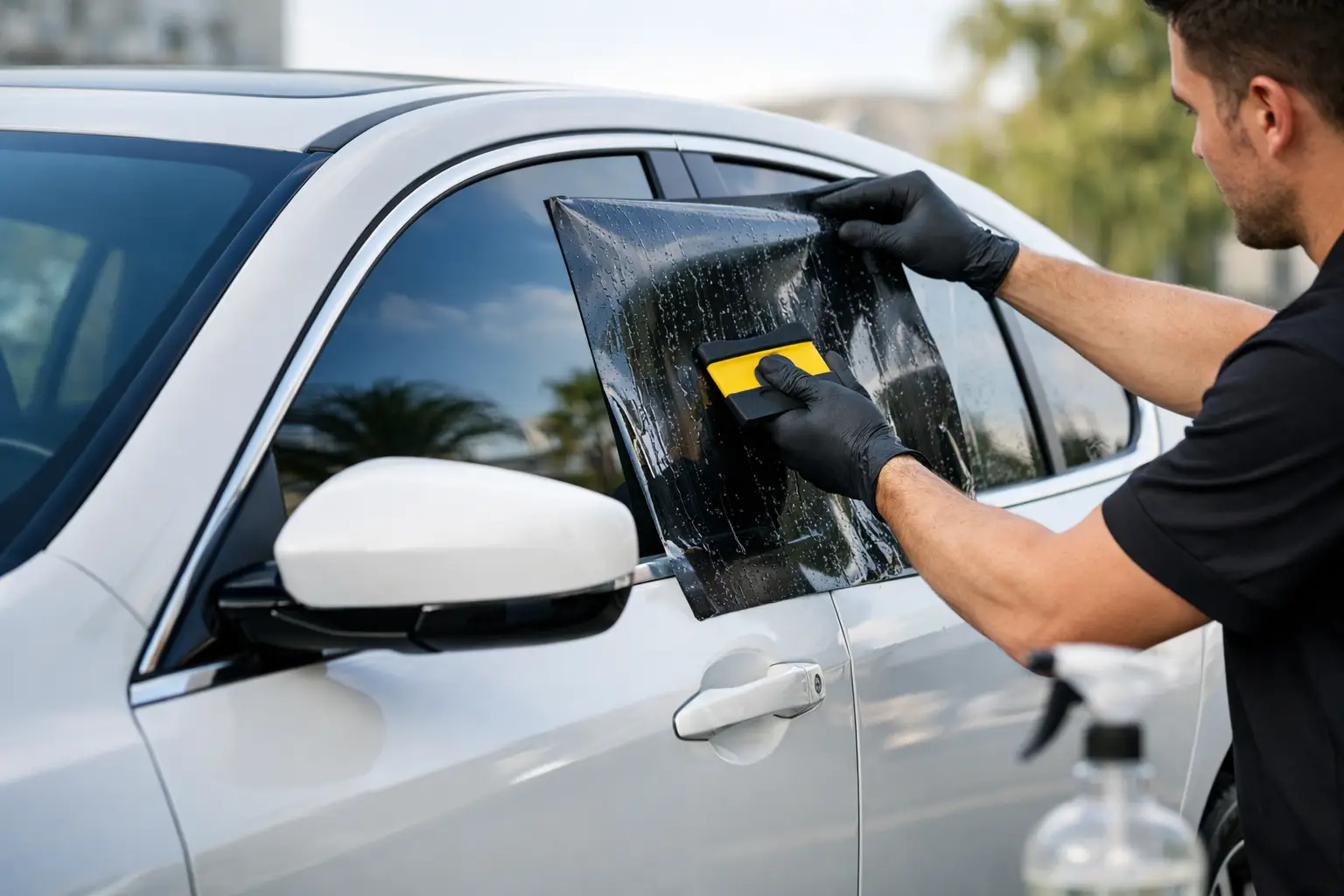
A lot of customer opinions about window film are really opinions about the install. Peeling edges, contamination, bubbling, poor shrink, and uneven coverage can ruin the result no matter how good the product is.
With ceramic film, proper installation is especially important because customers are paying for a premium finish and premium performance. Clean lines, good fitment, and a professional recommendation on shade and film type all matter. An experienced installer should also explain what film can and cannot do on your specific vehicle or building glass, instead of making broad promises.
For San Diego customers, local experience matters too. Coastal exposure, intense sunlight, and varied property types all affect what works best. A contractor who installs automotive, residential, and commercial film regularly can usually spot issues before they become expensive mistakes.
Final take on this 3M ceramic window film review
3M ceramic window film earns its reputation because it performs where people actually feel the difference – lower heat gain, less glare, strong UV protection, and a cleaner look than many older film types. It is not the cheapest option, and it is not a magic fix for every comfort issue, but it is one of the better choices for customers who want long-term value instead of the lowest upfront price.
If you are deciding between basic tint and a premium upgrade, think less about the label and more about the result you want six months from now and five years from now. The right film should make your car, home, or building easier to live with every day, not just look better on installation day.