



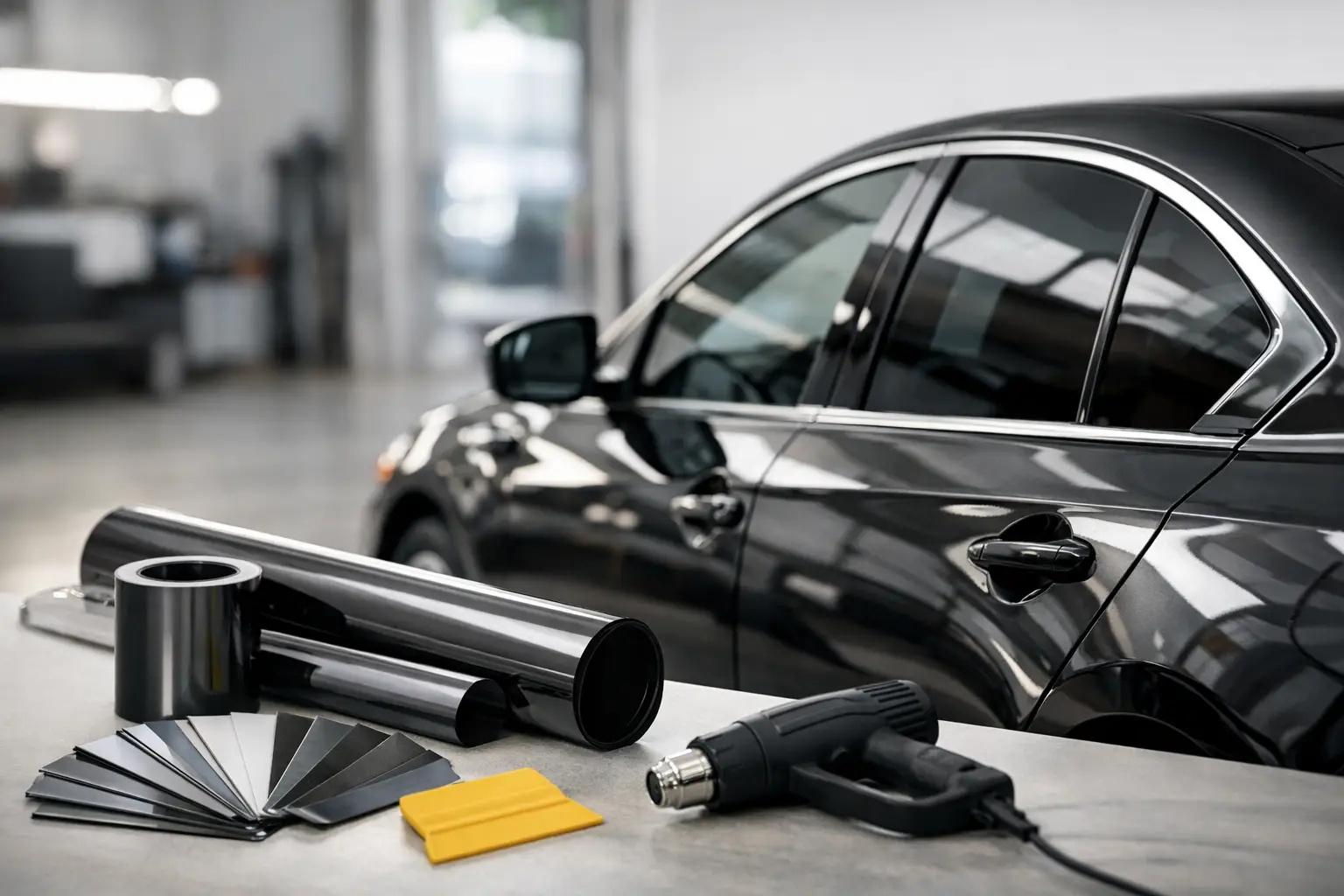
Picking window tint by brand alone can get expensive fast. Two films can look nearly identical from the outside, yet perform very differently once your car sits in a San Diego parking lot for an hour. That is why shoppers looking for the best car tint brands should look past the name on the box and focus on how the film handles heat, glare, UV exposure, signal friendliness, and long-term durability.
For most drivers, the right brand depends on what problem they are trying to solve. If your main issue is cabin heat, ceramic film usually makes the most sense. If you want a clean look at a lower price, a quality dyed or hybrid film may be enough. If you plan to keep the vehicle for years, warranty support and installation quality matter just as much as the film itself.
What separates the best car tint brands
The best brands tend to be consistent in four areas: optical clarity, heat rejection, color stability, and warranty support. A film that looks good on day one but fades to purple, interferes with electronics, or starts peeling around the edges is not a good value, even if the upfront price is attractive.
Construction matters. Dyed films are typically more affordable and can improve appearance and glare reduction, but they usually do less for heat rejection than higher-end options. Metalized films can reject heat well, though they may interfere with GPS, radio, or cell signals. Carbon and ceramic films are often the better long-term choice because they deliver solid performance without the signal issues that come with metal layers.
For Southern California drivers, heat rejection and UV protection usually deserve top priority. Strong sun exposure is not just a comfort issue. It also affects upholstery, dashboards, leather, and electronics over time.
Best car tint brands to know
3M
3M remains one of the most recognized names in window film, and for good reason. Its automotive lines are known for strong heat rejection, clear visibility, and broad product selection. If you want a premium option with a long track record, 3M is usually on the short list.
One reason 3M stands out is range. Some films are designed more for appearance and basic solar control, while others are built for serious infrared heat rejection. That gives drivers more flexibility based on budget and performance goals. The trade-off is price. Higher-end 3M films are rarely the cheapest option, but they tend to deliver dependable long-term results when professionally installed.
SunTek
SunTek is another widely respected brand, especially for drivers who want a strong balance of performance and value. Its carbon and ceramic films are popular because they offer good heat rejection, a clean finish, and stable color without going to the highest price tier.
For many vehicle owners, SunTek hits the practical middle ground. You can get meaningful comfort improvement and UV protection without paying strictly for brand prestige. That makes it a smart choice for daily drivers, family vehicles, and work trucks that spend a lot of time in the sun.
Llumar
Llumar has built a solid reputation in the automotive tint market with films that perform well and hold up over time. Its ceramic and premium dyed options are often chosen by drivers who want reliable heat control and a refined appearance.
Llumar tends to appeal to buyers who care about consistency. The films generally offer good clarity and a professional look, and the brand is well established enough that warranty coverage and product support are easier to trust than with lesser-known labels. Like 3M and SunTek, the final result still depends heavily on the installer.
XPEL
XPEL is often associated with paint protection film, but its window tint products also have a strong following. The brand’s ceramic offerings are especially attractive for drivers who want high-end heat rejection and a modern, low-haze appearance.
XPEL can be a good fit for newer vehicles, luxury cars, and owners who are already investing in appearance protection. It usually sits in the premium category, so it may not be the best match for every budget. Still, if comfort and a polished finish are top priorities, it is worth considering.
FormulaOne
FormulaOne is a premium line offered through select dealers and is often grouped with top-tier ceramic performance films. It has a reputation for strong heat rejection, solid clarity, and a refined look that works well on higher-end vehicles.
Because FormulaOne is positioned as a premium product, installation quality and dealer standards tend to be part of the appeal. For buyers who want a more exclusive option and are comfortable paying more for it, this brand often makes sense. For purely budget-driven shoppers, it may feel like more film than they need.
Global Window Films
Global Window Films is less talked about by casual buyers but well known in the trade. It offers a range of automotive films, including ceramic lines that can deliver competitive performance at a reasonable price point.
This is the kind of brand that often depends on who is installing it and which product line is being used. A good shop can guide you toward the right Global film for your car and goals. Without that guidance, it is easier to get lost in specs and model names.
Johnson Window Films
Johnson has been in the film business for a long time and still earns consideration for drivers who want established products without automatically jumping to the most heavily advertised names. Its offerings cover different budgets and performance levels, from more entry-level options to higher-performing films.
Johnson can make sense for practical buyers who want recognized quality and a straightforward solution. As with the other brands here, not every series performs the same, so the exact film matters more than the logo alone.
How to compare car tint brands the right way
If you are shopping seriously, compare product lines rather than just brand names. A premium ceramic film from one manufacturer should be compared against another premium ceramic film, not against a dyed entry-level option from the same company. Brand reputation matters, but performance category matters more.
Look closely at total solar energy rejection, infrared heat rejection, UV blocking, and visible light transmission. Those numbers help explain how the tint will actually feel on the road and while parked. At the same time, specs do not tell the whole story. Some films are easier to shrink, fit, and edge cleanly than others, which affects the finished look.
This is where experienced installation becomes a major factor. Even one of the best car tint brands can disappoint if the film is contaminated during install, cut poorly, or applied without attention to glass shape and edge finish. A licensed, established installer helps protect your investment.
Which brand is best for your car?
There is no one-size-fits-all answer. If you want a premium, proven option, 3M, Llumar, XPEL, and FormulaOne are strong candidates. If you want solid performance with better value, SunTek and some Global or Johnson lines may be the smarter buy.
Your vehicle also matters. A commuter sedan, a work van, a lifted truck, and a weekend sports car may all need different solutions. Some owners care most about keeping the cabin cooler. Others want a darker, cleaner look, reduced glare, or better privacy for gear and passengers. The right film should match how the vehicle is actually used.
Local conditions matter too. In San Diego County, strong sun and long warm seasons make heat rejection more important than it might be in milder or cloudier markets. That often pushes ceramic film higher on the recommendation list, especially for drivers who park outdoors or spend a lot of time behind the wheel.
A final word on value
The best car tint brands earn their reputation by performing well over time, not just by looking good after installation. A film that keeps your cabin cooler, protects your interior, reduces glare, and stays clean-looking for years usually saves money and frustration in the long run.
If you are comparing options, start with your priorities, not the marketing. Then work with a professional installer who can explain the real differences between film lines and help you choose a tint that fits your car, your budget, and the way you drive. At Simmons Solar Control, that practical approach is what leads to better results and fewer regrets after the film is on the glass.