



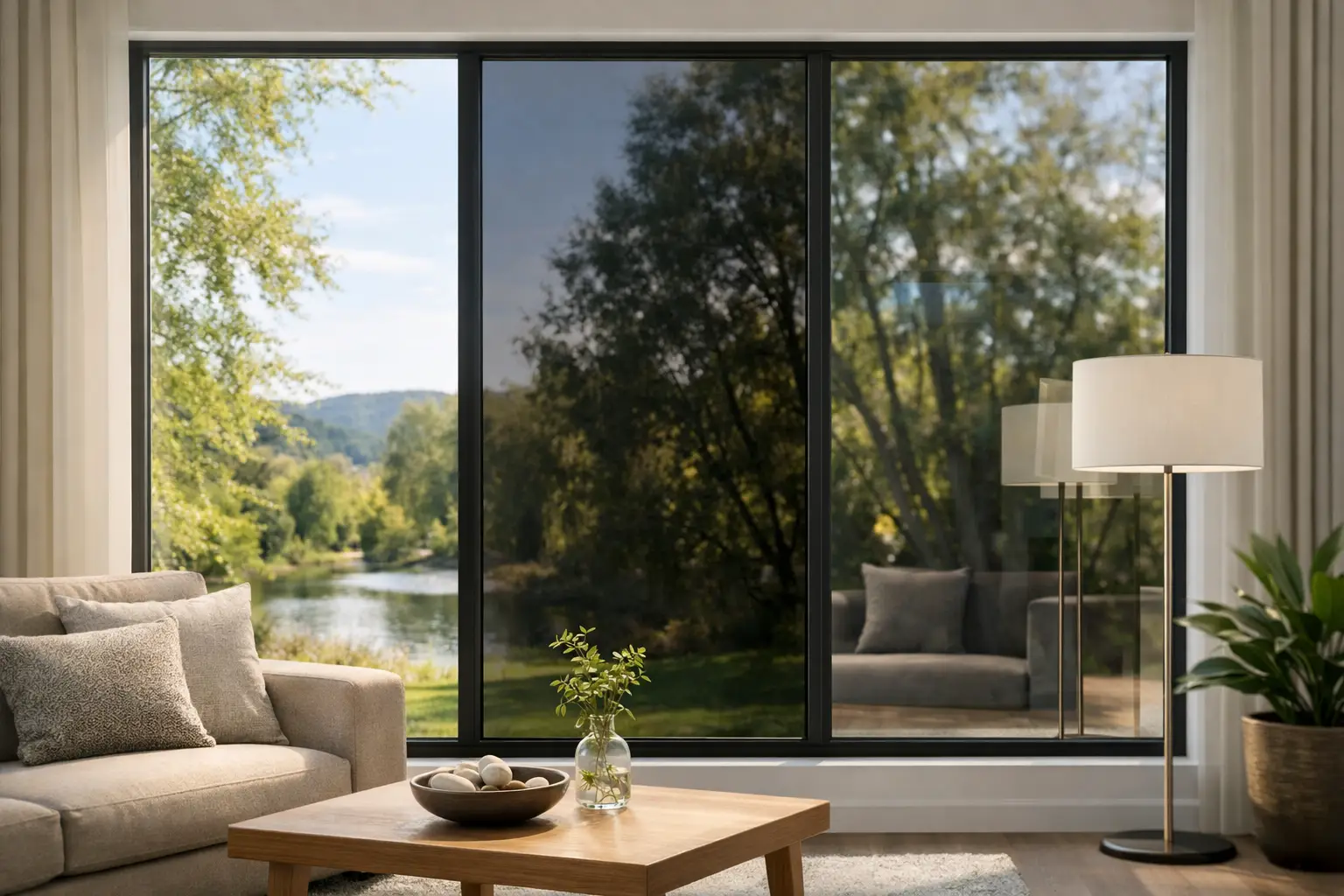
If one side of your house heats up by noon, your floors are fading near the patio door, or the TV room turns into a glare box every afternoon, you are probably already thinking about the best window films home owners can use to fix it. The real question is not whether film works. It does. The question is which type of film fits your house, your windows, and the way Southern California sun hits your property.
Home window film is not a one-size-fits-all product. The right choice depends on what problem you are trying to solve first. Some homeowners want stronger heat rejection. Others care more about daytime privacy, UV protection, safer glass, or keeping the look of their windows clean and neutral from the street. When you start with the actual problem, the right film becomes much easier to choose.
What makes the best window films for home use?
The best window films for home use are the ones that deliver a measurable result without creating a new problem. A film that blocks heat well but makes your room too dark may not be the right fit for a kitchen or living room. A highly reflective privacy film can work well during the day, but some homeowners do not like the mirror-like exterior look. The best product is the one that balances performance, appearance, and glass compatibility.
In San Diego County, that usually means focusing on four practical outcomes: lowering solar heat gain, reducing glare, blocking UV rays, and improving privacy without making the home feel closed in. In rooms with large west-facing windows, heat and glare are often the top issues. In street-facing bedrooms or bathrooms, privacy matters more. In homes with expensive flooring, furniture, art, or wood finishes, UV protection becomes a bigger priority because sun damage is gradual and expensive.
Film performance also depends on the type of glass already installed. Dual-pane windows, tempered glass, low-E glass, and oversized residential glass all require the right film selection. That is one reason professional guidance matters. The wrong product can underperform or create stress on the glass. The right product gives you comfort and protection without guesswork.
Best window films home owners usually choose
Solar control film
For many homeowners, solar control film is the most practical place to start. This category is designed to reduce heat and glare while still allowing natural light into the home. If your air conditioner works harder every afternoon or certain rooms stay warmer than the rest of the house, this is often the best fit.
A quality solar film can help reduce hot spots, improve comfort near windows, and cut down on that sharp brightness that makes screens hard to see. It also helps protect interiors from UV damage. The trade-off is that higher-performing films may darken the glass slightly, so the selection should match the room. A media room can usually handle a darker film than a breakfast nook.
Ceramic window film
Ceramic film is one of the strongest options for homeowners who want high performance without an overly reflective appearance. It is especially popular in homes where maintaining a clear, upscale look matters as much as reducing heat. Ceramic films can reject a significant amount of solar energy while keeping a more natural view compared to some older dyed or metallic films.
This type of film usually costs more, but it often makes sense for homeowners planning to stay in the house long term. It performs well, looks clean, and works nicely in living spaces where you do not want the windows to feel too dark or mirrored.
Privacy film
Privacy film is a good choice when the main issue is visibility from outside. Street-facing windows, sidelights near an entry door, and certain bathroom or bedroom windows are common candidates. Some privacy films are frosted, while others are tinted or reflective.
What matters here is understanding how privacy works. Reflective films typically offer better daytime privacy because they make it harder to see in when it is brighter outside than inside. At night, with interior lights on, that effect changes. Frosted films provide more consistent privacy but also block the view through the glass. The best option depends on whether you want concealment, natural light, or both.
Decorative film
Decorative film is less about solar performance and more about appearance and privacy. It can be a smart solution for glass front doors, office areas inside the home, or bathroom windows where you want filtered light without full transparency. It is not usually the answer for major heat problems, but it can solve a privacy issue cleanly and affordably.
Safety and security film
If your concern is glass breakage, storm debris, or smash-and-grab resistance, safety film deserves attention. This thicker film helps hold shattered glass together if the window breaks. It does not make windows unbreakable, but it can slow forced entry, reduce flying shards, and improve overall safety.
For ground-floor glass, sidelights, and large doors, this can be a practical upgrade. Some homeowners pair safety film with solar performance if they want both comfort and protection.
How to choose the best window films home by home
The easiest mistake is choosing film based only on darkness. Darker does not automatically mean better. A well-made film with advanced heat rejection can outperform a darker, lower-grade product while keeping the room brighter and more comfortable.
Start with the rooms that bother you most. If your west-facing family room gets hammered by afternoon sun, prioritize solar heat rejection and glare control. If your issue is fading furniture in a bright front room, look closely at UV protection. If you feel exposed in a street-level office or bathroom, privacy may lead the decision.
Next, think about appearance from both sides of the glass. Some homeowners want a neutral exterior that blends with the home. Others are fine with a reflective finish if it delivers stronger daytime privacy. Neither is wrong, but it should be a conscious choice.
Then consider the age and type of your windows. This is where a professional estimate saves time. Not every film belongs on every piece of glass, and residential installations need to account for seal condition, pane configuration, and sun exposure. A licensed installer can recommend films that match the glass safely and perform as expected.
Why professional installation matters
A lot of homeowners first look at DIY film because it appears cheaper. On paper, that makes sense. In practice, residential glass can be unforgiving. Dust, contamination, misalignment, edge gaps, trapped moisture, and visible creases can all affect the final result. Large panes and specialty windows only make the job harder.
Professional installation gives you a cleaner finish, better fit, and product guidance based on actual field experience. It also matters for warranty protection. Premium residential film is a long-term upgrade, and proper installation is part of getting the lifespan and performance you paid for.
An experienced contractor should be able to explain what the film will do, what it will not do, and how it will look once installed. That kind of straightforward guidance is worth a lot, especially when you are making decisions for an entire home.
What San Diego homeowners should prioritize
In this market, heat rejection and UV protection usually lead the conversation for a reason. Southern California sun is persistent, and homes with large windows can gain a surprising amount of heat through the glass. Even when your HVAC system keeps up, it often does so by running harder and longer.
That is why many local homeowners choose films that improve comfort first and aesthetics second. A room that stays usable in the afternoon, less glare on screens, and reduced fading on floors and furniture are practical improvements you notice quickly. Energy savings can follow, but comfort is what most people feel right away.
For coastal and inland properties alike, there is also value in choosing established film brands and a contractor with residential experience. Products from recognized manufacturers tend to offer more reliable performance data, better visual consistency, and stronger warranty support. For homeowners who want a result that lasts, that matters.
At Simmons Solar Control, that is the approach we take with home window film: identify the real problem, match the film to the glass, and install it for long-term performance instead of short-term guesswork.
The right film is the one that solves the right problem
The best window films home owners choose are not always the darkest, the cheapest, or the most heavily marketed. They are the films that make a hot room more comfortable, cut harsh glare, protect interiors from UV damage, and fit the look of the house. If you start with what is bothering you most and get the glass evaluated properly, the right solution usually becomes clear fast.
A good home should feel comfortable all day, not only before the sun hits the windows.