



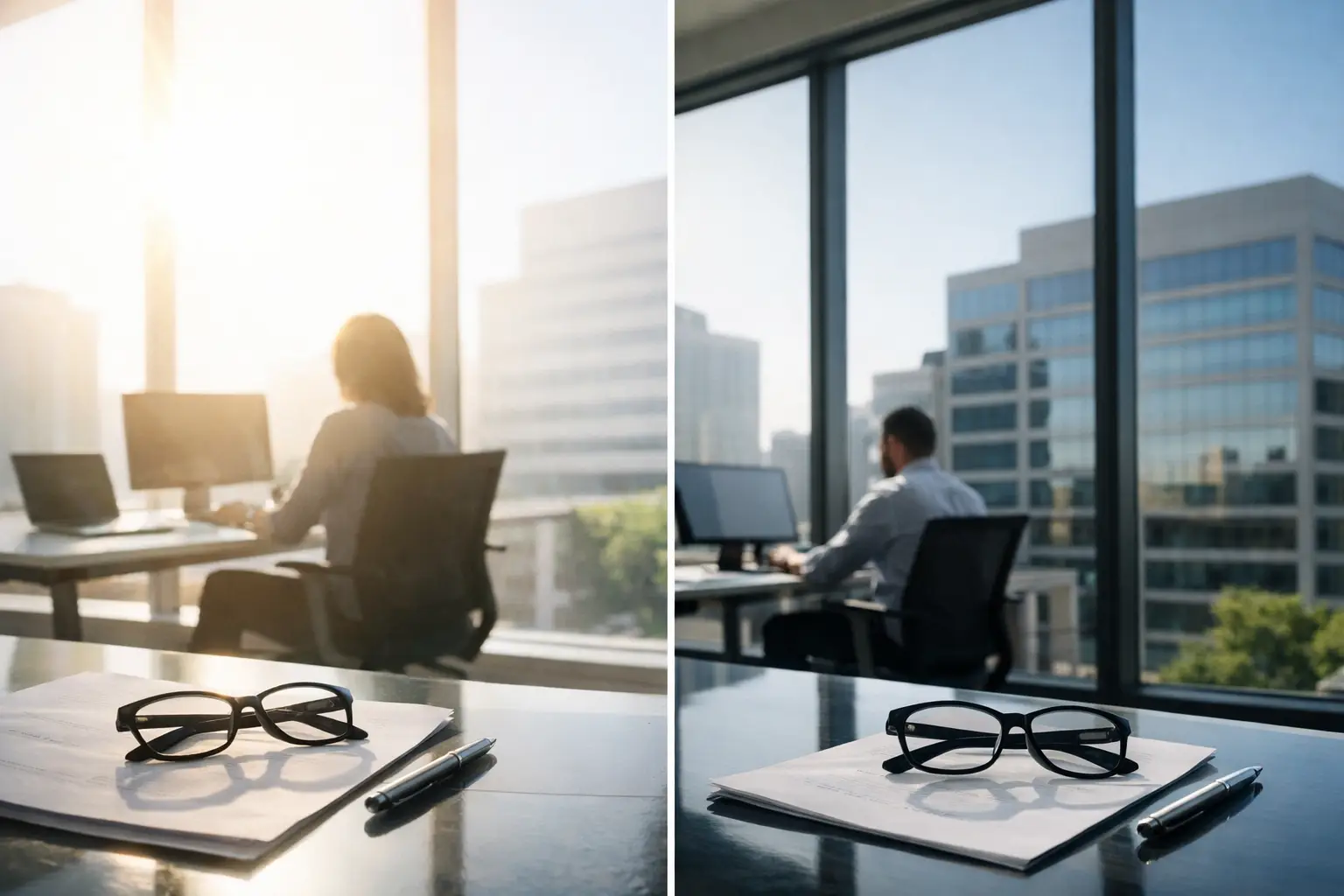
By 2 p.m., the problem usually shows up the same way – blinds tilted shut, employees shifting screens, and a conference room that looks bright but feels hard to work in. Sunlight is good for an office until glare starts washing out monitors, creating eye strain, and making parts of the space uncomfortable. That is where office window film for glare reduction becomes a practical upgrade. It helps control harsh light without forcing you to block the windows entirely.
For San Diego offices, glare is not a seasonal issue. Strong sun exposure can affect workstations year-round, especially in buildings with large glass areas, west-facing windows, and open office layouts. If your goal is to make the space easier to work in while also reducing heat and protecting interiors, window film is often one of the most cost-effective improvements you can make.
What office glare is really costing you
Glare is more than a minor annoyance. In a workplace, it affects how people use the space. Employees end up lowering shades, moving desks, adjusting monitor angles, or avoiding certain rooms during parts of the day. That friction adds up.
In practical terms, glare can reduce screen visibility, increase eye fatigue, and make it harder to focus during long work sessions. In meeting rooms, it can interfere with presentations and video calls. At reception desks and customer-facing spaces, it can create a harsh, uncomfortable first impression. For property managers and business owners, it also creates an ongoing comfort complaint that tends to come back every sunny afternoon.
The other issue is that glare often comes with heat. The same sunlight that makes screens difficult to read can also raise indoor temperatures near the glass. So if you are dealing with glare, there is a good chance your HVAC system is also working harder than it needs to.
How office window film for glare reduction works
Window film is applied directly to existing glass and is designed to reduce the amount of visible light and solar energy entering the building. For glare control, the film cuts brightness to a more comfortable level while still allowing useful natural light into the space.
The best result is not making the office dark. It is making the light manageable. A properly selected film softens harsh sunlight so work areas stay brighter and more usable without the sharp contrast that causes discomfort.
Many commercial films also reduce heat and block a high percentage of UV rays. That means the benefit is not limited to computer screens. You are also helping protect flooring, furniture, displays, and interior finishes from fading over time.
Not all glare-reducing films perform the same
This is where product choice matters. A lighter film may preserve more daylight and exterior views but offer more moderate glare control. A darker or more reflective film may provide stronger glare reduction and solar performance, but it can also change the appearance of the glass more noticeably.
There is no single best film for every office. A law office with street-facing windows may want a polished, uniform look with added privacy. A medical office may prioritize patient comfort and soft natural light. A warehouse office may be more focused on reducing afternoon heat and cutting harsh brightness in a west-facing area. The right answer depends on the building, glass type, sun exposure, and how the rooms are used.
Where film makes the biggest difference
Some offices feel glare in obvious places. Others only notice it at certain times of day. In both cases, a site-specific approach matters more than guessing based on square footage alone.
Conference rooms are a common trouble spot because glare affects screens, projectors, and video meetings all at once. Front offices and lobbies can also be difficult when direct sun hits waiting areas or reception counters. Open office spaces near perimeter glass often have a few workstations that become unpopular for reasons everyone understands but no one wants to keep working around.
Executive offices, training rooms, and customer-facing storefront offices can also benefit, especially when appearance matters as much as comfort. In many cases, the goal is not just reducing glare in one room. It is creating a more consistent experience across the whole space.
Benefits beyond glare control
Most business owners start looking into film because the sunlight is disruptive. They move forward because the upgrade solves more than one problem.
Heat reduction is usually the next major benefit. By limiting solar heat gain, the right film can help stabilize temperatures near windows and reduce strain on air conditioning systems. In Southern California, where cooling demand can stay high for much of the year, that matters.
UV protection is another important advantage. Office furniture, carpet, wood finishes, merchandise, and wall coverings can fade under repeated sun exposure. Film helps preserve those materials and supports a better long-term appearance inside the building.
There is also the issue of privacy and appearance. Some commercial films add a cleaner exterior look and make it harder to see into certain spaces during daytime hours. That can be useful for offices, medical spaces, financial offices, and street-level businesses that want a more controlled environment without covering windows with blinds.
Why blinds are not the same solution
Blinds do reduce glare, but they do it by blocking the window. That may be necessary in some moments, but it is rarely the best full-time answer.
Closed blinds cut natural light, limit visibility, and can make the office feel more shut in than it needs to. They also do little to stop heat before it enters through the glass. Window film works at the glass itself, which is why it can reduce glare and solar impact while keeping the space more open and usable.
For many offices, film and blinds work well together. Film handles the daily load, and blinds are used only when extra control is needed. That is a better setup than depending on blinds as the first and only line of defense.
Choosing the right film for your office
This is one of those upgrades where the right recommendation depends on details. Window orientation matters. So does the type of glass, the age of the building, the look you want, and whether your biggest complaint is brightness, heat, fading, or privacy.
A very dark film is not automatically better. If the office already lacks balanced daylight, going too dark can make the interior feel dim. On the other hand, a film chosen only to preserve a clear appearance may not solve strong glare in west-facing rooms. The goal is matching performance to the problem.
That is why professional assessment matters. An experienced installer can look at the building, identify which elevations are causing the biggest issues, and recommend film options that fit both the appearance of the property and the day-to-day needs of the people working inside.
Installation quality matters as much as the film itself
Commercial window film should look clean, perform consistently, and hold up over time. Poor installation can leave visible flaws, uneven edges, or premature failure that reflects badly on the property.
For office environments, timing and coordination matter too. Work often needs to be completed with minimal disruption to staff, tenants, or customers. A professional installer should be able to evaluate the space, explain realistic performance expectations, and complete the job with attention to both finish quality and business operations.
That is one reason many San Diego property owners look for licensed, experienced contractors who work with established film brands and stand behind the installation. If the goal is long-term comfort and performance, shortcuts at the selection or installation stage usually cost more later.
A smart upgrade for offices in San Diego
In this market, glass-heavy offices deal with strong sun exposure, rising cooling costs, and increasing expectations around workplace comfort. Window film is not a cosmetic extra. It is a practical building improvement that helps your space function better.
For business owners, that can mean fewer comfort complaints, a more polished environment, and better protection for interiors. For property managers, it can mean solving a recurring tenant issue without a major renovation. For employees and visitors, it simply makes the office easier to use.
Simmons Solar Control works with offices across San Diego County to improve comfort, glare control, and solar performance with professional film installation. If your windows are creating daily frustration, the right film can change that without changing the building itself.
A good office should not force people to fight the sun every afternoon. When the glass is working against the space, fixing it at the source is often the most practical move.