



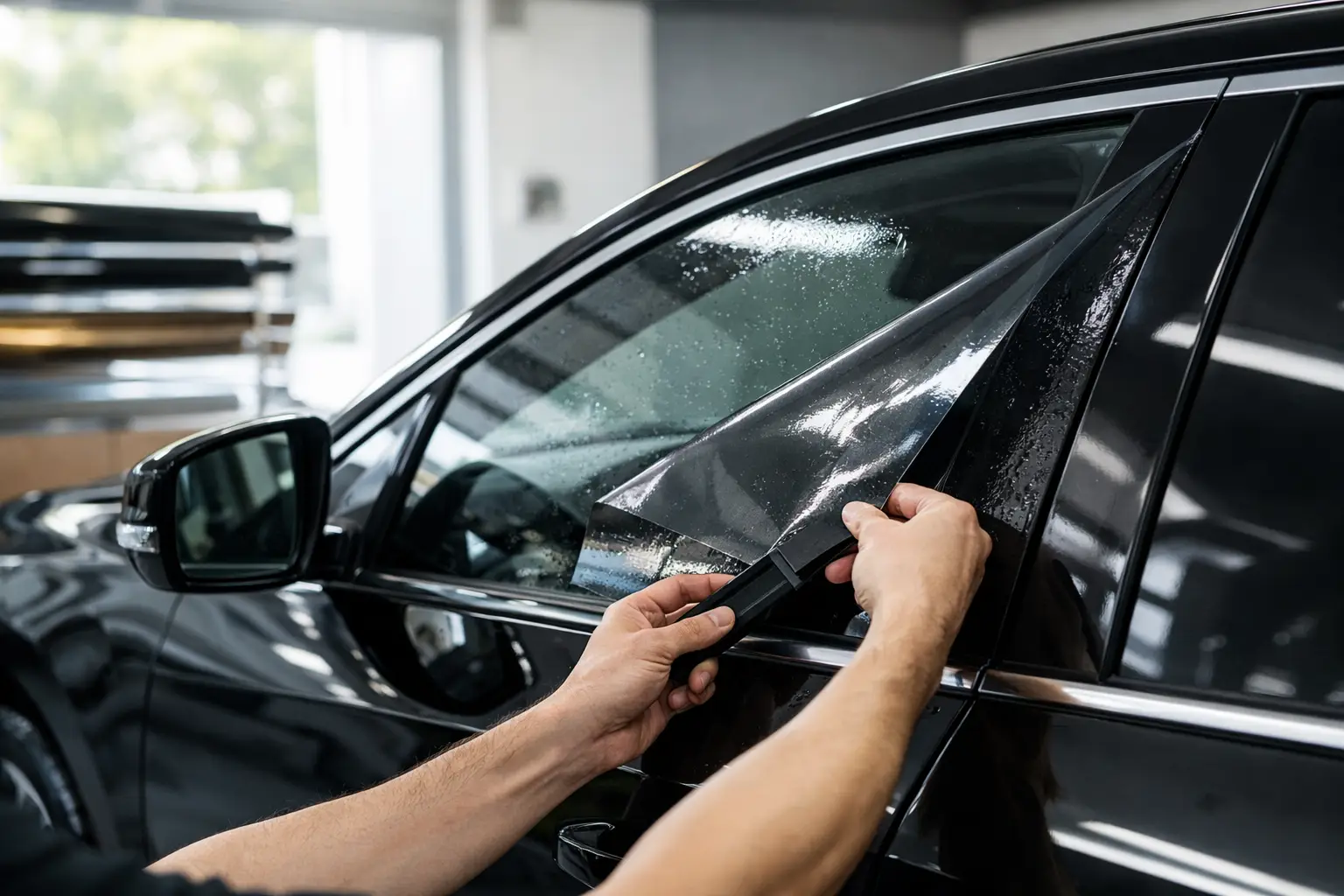
Park your car in San Diego for an hour, step back inside, and the difference between standard film and better film gets very real. If you have been asking what is ceramic window tint, the short answer is this: it is a premium window film made with non-metallic, non-dyed ceramic particles designed to reduce heat, block UV rays, cut glare, and improve comfort without interfering with electronics.
That matters more than the marketing usually lets on. For drivers, homeowners, and property owners dealing with strong Southern California sun, ceramic tint is not just about a darker look. It is about measurable performance – cooler interiors, better protection for upholstery and flooring, and less strain on your air conditioning.
What Is Ceramic Window Tint and How Does It Work?
Ceramic window tint is a high-performance film that uses microscopic ceramic particles within the film layer. Those particles are engineered to reject a significant portion of solar heat, especially infrared heat, while also blocking harmful ultraviolet rays.
Unlike older dyed films, ceramic film does not work by simply absorbing sunlight until the glass gets hot. Unlike metallic films, it does not rely on metal content that can create signal interference. The ceramic construction allows the film to control heat and glare while maintaining clarity and a more neutral appearance.
For most customers, the practical takeaway is simple. Ceramic tint helps keep interiors cooler, reduces fading, and improves comfort without creating the common drawbacks that come with cheaper tint options.
Why Ceramic Tint Costs More
Ceramic film is usually priced above dyed or basic hybrid films because the material itself is more advanced and the performance is stronger. Better heat rejection, longer-lasting color stability, and clearer visibility all add value, especially in climates where sun exposure is constant.
You are also paying for consistency. Lower-end films can discolor, turn purple, bubble, or lose performance over time. Quality ceramic films are built to hold up better, which is why they are often chosen by customers who plan to keep their vehicle, home, or commercial property for years rather than months.
The upfront cost is higher, but for many buyers the long-term result is better comfort and fewer regrets.
What Ceramic Window Tint Blocks
When people compare tint products, they often focus only on how dark the glass looks. That can be misleading because darkness and performance are not the same thing.
A ceramic film can be relatively light in appearance and still reject a strong amount of heat. That makes it a smart option for customers who want visibility and a clean look without giving up performance.
Most ceramic window tint is designed to reduce several key solar problems at once. It blocks a high percentage of UV rays that contribute to skin exposure and interior fading. It helps reject infrared heat, which is a major reason cabins and rooms feel hot even when the glass does not look especially dark. It also cuts glare, which makes driving, working, or relaxing near windows more comfortable.
For automotive use, that can mean less steering wheel heat, cooler seats, and reduced eye strain on bright roads. For homes and commercial buildings, it can mean fewer hot spots, better temperature balance, and added protection for flooring, furniture, displays, and interior finishes.
Ceramic Tint vs Dyed and Metallic Film
If you are trying to decide whether ceramic is worth it, the easiest way to understand it is to compare it with the common alternatives.
Dyed film is usually the budget option. It improves appearance and can help with glare, but heat rejection is limited compared to ceramic. It also tends to fade faster and may change color over time.
Metallic film can offer solid heat rejection, but the metal content may interfere with cell service, GPS, radio reception, and electronic signals. That trade-off is not ideal for modern vehicles or properties that rely on connected devices.
Ceramic film sits at the premium end because it delivers strong heat rejection without the signal interference issue. It also tends to maintain its look better and provide clearer outward visibility, especially at night.
That does not mean ceramic is automatically the right choice for every project. If the goal is strictly basic privacy on a tight budget, another film may be enough. But if comfort, long-term performance, and cleaner visibility matter, ceramic is usually the better investment.
Is Ceramic Window Tint Darker?
Not necessarily. This is one of the biggest misconceptions buyers have.
Ceramic tint can be available in different shades, just like other films, but the technology is about performance more than darkness. A lighter ceramic film can often outperform a darker lower-grade tint when it comes to heat rejection and UV protection.
That is especially important for front windows, windshields with legal restrictions, residential glass, and commercial spaces where you want solar control without making the glass look too dark. In many cases, customers are surprised by how much heat reduction they can get while keeping a bright, open appearance.
Where Ceramic Tint Makes the Most Sense
Ceramic film is often the right fit when the sun is intense, the space gets hot quickly, or the customer wants to protect what is inside.
For vehicles, it is popular with daily drivers, luxury cars, trucks, and family SUVs because it improves comfort and helps the air conditioning work more efficiently. It is also a smart upgrade for drivers who spend a lot of time commuting or who park outdoors for long periods.
For homes, ceramic-based films make sense in rooms that get heavy afternoon sun, large front windows, sliding glass doors, and areas where fading is becoming noticeable. In those situations, the goal is usually comfort first, with energy savings and interior protection as added benefits.
For offices, storefronts, and commercial buildings, ceramic and other high-performance films are often chosen to reduce glare on screens, improve comfort near windows, and help create a more consistent indoor environment. For marine and RV applications, heat control and UV protection become even more valuable because the exposure is constant and interior spaces heat up fast.
What Ceramic Window Tint Does Not Do
A good installer should be clear about this. Ceramic tint is highly effective, but it is not magic.
It will not make glass unbreakable. It will not eliminate every bit of heat. It will not solve insulation issues caused by poor windows, failed seals, or inadequate HVAC performance. And if the wrong shade or film type is chosen for the application, even premium film can fall short of expectations.
That is why product selection matters as much as the material itself. The right film depends on the glass type, sun exposure, local regulations, appearance goals, and whether the priority is heat reduction, privacy, glare control, or security.
How Long Does Ceramic Tint Last?
High-quality ceramic window tint is built for long-term durability. When installed correctly, it can last for many years without bubbling, peeling, or changing color the way lower-end films often do.
The exact lifespan depends on the product line, the environment, and the installation quality. A vehicle that sits in direct sun every day will age differently than a garage-kept car. The same goes for a west-facing storefront versus a shaded residential window.
This is where professional installation matters. Even the best film can fail early if the glass is not prepared correctly or if the installation is rushed. A licensed, experienced installer using premium products gives you a much better chance of getting the performance and lifespan you paid for.
Is Ceramic Window Tint Worth It?
For many San Diego-area customers, yes. If heat reduction, UV protection, appearance, and long-term value are your priorities, ceramic window tint is often worth the upgrade.
The answer becomes less certain if your only goal is the lowest possible price. Ceramic is not the budget option, and it is not always necessary for every single window. Some projects call for a different solution depending on privacy needs, glass type, or cost constraints.
But if you have ever sat in a vehicle that feels like an oven, dealt with glare washing out a room, or watched interiors fade year after year, ceramic tint solves real problems. That is why it continues to be one of the most requested premium film options across automotive, residential, commercial, marine, and RV applications.
When customers ask Simmons Solar Control what film gives them the best all-around balance of comfort, protection, and clean appearance, ceramic is often part of that conversation. The right choice starts with the glass you have and the result you want. A good tint job should not just look better on day one – it should make everyday driving, working, and living more comfortable long after the installation is done.