



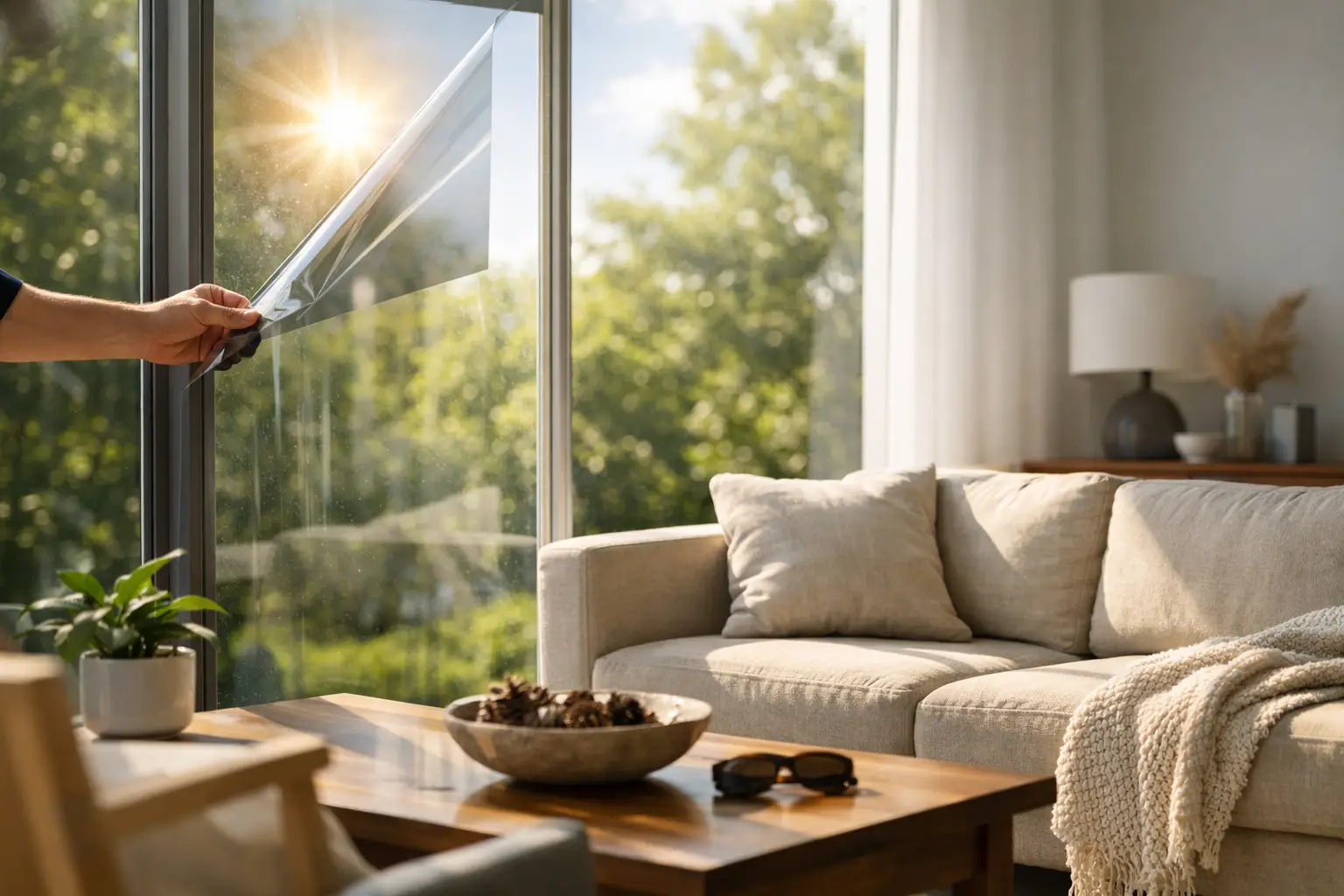
That bright patch on your hardwood floor by the window is not harmless sunlight. It is a slow, daily bleaching process that can leave sofas faded, wood dried out, rugs uneven in color, and artwork permanently dulled. UV window film for furniture protection is one of the most practical ways to reduce that damage without giving up natural light.
In San Diego, that matters more than many property owners realize. Strong year-round sun, large glass areas, and open floor plans create a perfect setup for fading interiors. If you have invested in quality furniture, custom flooring, or office finishes, untreated windows can work against you every day.
How sunlight damages furniture over time
Most people notice fading first, but UV exposure is only part of the problem. Ultraviolet rays are a major cause of color loss in fabric, wood, leather, and flooring. At the same time, visible light and heat also contribute to wear. That means the damage is not limited to one type of ray, and it does not take direct sunlight all day long to create a problem.
Wood furniture can lighten on one side and stay darker on the other. Leather can dry, crack, and lose its richness. Area rugs can end up with obvious outlines where tables or chairs once sat. In offices, sun-facing seating, laminate desks, displays, and merchandise can all show uneven aging. Once those materials fade, there is no film that can restore them. Protection works best before the damage happens.
What UV window film for furniture protection actually does
Window film is applied directly to existing glass to reduce the amount of harmful solar radiation entering the space. High-quality films can block up to 99 percent of UV rays, which makes a major difference for interior preservation. Many films also cut glare and reduce solar heat gain, giving you a more comfortable room while helping protect finishes and furnishings.
That last part is worth noting. If your goal is furniture protection, the best result usually comes from addressing more than UV alone. A film that also reduces heat and visible light can slow overall fading more effectively than a basic clear layer that only targets one part of the spectrum.
This is where product selection matters. Two films may both advertise UV rejection, but one may do a better job of balancing clarity, heat control, glare reduction, and appearance. The right choice depends on the room, the glass type, how much sun it gets, and how sensitive the interior materials are.
Where furniture protection film makes the biggest difference
South-facing and west-facing windows are usually the first place to look. These areas tend to get the strongest, hottest sun during the day, and they often create the most visible fading patterns. Living rooms, sunrooms, dining rooms, and home offices are common trouble spots because they combine long sun exposure with expensive interior finishes.
Commercial spaces have similar issues. Waiting rooms, storefronts, conference rooms, and offices with large glass walls often deal with glare, hot spots, and sun damage at the same time. In retail settings, product displays near windows can lose color faster than owners expect.
Sliding glass doors and oversized picture windows also deserve attention. They bring in great natural light, but they can expose a large amount of flooring, furniture, and decor to direct solar energy every day. Film lets you keep that open look while reducing the damage potential.
Clear film or tinted film?
This is one of the most common questions, and the answer depends on your priorities. Clear or nearly clear architectural films are a strong option when you want to preserve the natural appearance of the glass. They can still provide excellent UV rejection and help protect interiors without noticeably changing the look of the home or office.
Tinted or more reflective films usually offer stronger glare control and heat reduction. That can be a better fit for rooms that run hot in the afternoon or for buildings with large west-facing windows. The trade-off is appearance. A darker or more reflective film changes the way the glass looks from inside and outside, so it has to match the property and your expectations.
There is no one-size-fits-all answer. Some homeowners want maximum protection with minimal visual change. Others are willing to darken the glass slightly if it means cooler rooms and better comfort. A good installer will explain both the benefits and the compromises before the job starts.
Why professional installation matters
Furniture protection is not just about buying film. It is about getting the right film installed correctly on the right glass. Residential and commercial windows vary by age, coating, thickness, and exposure. An incorrect film choice can lead to poor performance or, in some cases, glass stress issues.
Professional installation also affects how the film looks and how long it lasts. Clean edges, proper adhesion, and careful preparation all matter, especially on large windows where flaws are easy to spot. If you are trying to protect high-value interiors, it makes sense to treat film as a finish upgrade rather than a DIY experiment.
This is also where local experience helps. In a market like San Diego, installers see the same solar exposure patterns, home styles, and building layouts over and over. That makes it easier to recommend film options based on what actually performs well in the area.
UV window film for furniture protection in homes
For homeowners, the value is usually straightforward. You are protecting what you already paid for. Hardwood floors, plantation shutters, upholstered furniture, cabinetry, artwork, and electronics all benefit from reduced UV exposure and lower heat levels.
There is also a comfort benefit that homeowners often appreciate right away. Film can cut harsh glare on TVs and screens, reduce hot spots near windows, and make a room feel more usable during peak sun hours. That means the upgrade does more than preserve interiors. It improves how the space functions every day.
If you have a room where blinds stay closed most of the time to protect furniture, film can help you get some of that natural light back. You may still use window coverings, but you are not relying on them as your only line of defense.
UV window film for furniture protection in offices and storefronts
Business owners and property managers often focus first on comfort and cooling costs, but interior protection is part of the same conversation. Reception furniture, wood finishes, flooring, displays, and tenant improvements can all take a beating from sun exposure.
Film helps create a more stable interior environment. That can reduce fading on furnishings, improve employee comfort, and cut glare that interferes with screens and workstations. In customer-facing spaces, it also helps maintain a more polished appearance over time. Worn, sun-faded interiors do not send a strong message about quality.
For leased commercial spaces, this can also protect the investment you made in buildout and finish materials. That is a practical advantage, especially in spaces with a lot of perimeter glass.
What window film can and cannot do
Window film is highly effective, but it is not magic. It can significantly slow fading and reduce solar damage, but it cannot stop all change forever. Fabrics and finishes still age, and prolonged sun exposure through untreated areas can still create contrast over time.
Placement matters too. If part of a sofa sits in direct sun for hours every day, film will help, but rotating furniture, using shades at peak times, and managing exposure still make a difference. The best results usually come from combining film with a few common-sense habits.
That said, adding film is one of the most cost-effective upgrades available because it works every day without changing how you use the space. Once installed, it quietly reduces UV, glare, and heat with no ongoing effort from you.
When it makes sense to act now
If you already see fading on floors or upholstery, the need is not theoretical anymore. The damage has started, and untreated windows will keep contributing to it. Acting sooner helps preserve the rest of the room before replacement or refinishing becomes necessary.
It also makes sense to install film after a remodel, after buying new furniture, or before moving into a home or office with large sun-facing windows. Protecting those finishes from day one is a smarter move than waiting for visible wear.
For San Diego property owners, this is not a niche upgrade. It is a practical layer of protection against a very predictable problem. Companies like Simmons Solar Control work with homeowners and businesses that want real performance, not guesswork, and that starts with choosing window film based on the room, the glass, and what you are trying to protect.
If your windows are bringing in more sun than your interiors can handle, the right film gives you a way to keep the light and cut the damage.